
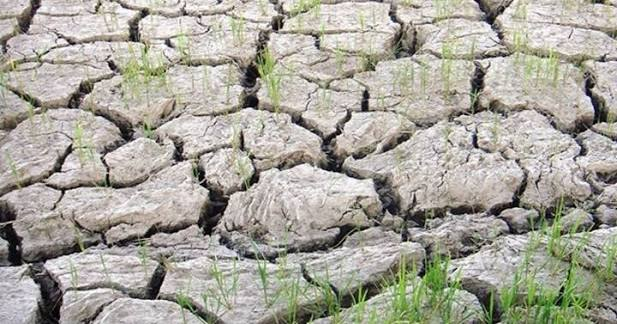
CALAMBA CITY, Laguna (PIA) — Rainfall in the CALABARZON region may be significantly reduced by up to 60 percent until early 2027 due to the drier conditions brought by the super El Niño, according to PAGASA.
Bernadeth Lucillo, PAGASA Weather Specialist, in an interview said the region may experience less rainfall by up to 20 to 60 percent in October. By November, rainfall may be further reduced in the provinces of Batangas, Cavite and Rizal, as well as the upper part of Laguna province.
“Pagdating ng October, halos buong CALABARZON ay inaasahan na mayroon tayong reduction ng 20 to 60 percent of rainfall. Pagdating naman ng November may reduction na sa western Batangas, whole of Cavite, whole of Rizal, [at] upper part of Laguna may reduction na ng 60 percent sa rainfall na natatanggap nila. Then the rest may reduction na ng 20 to 60 percent.”
Lucillo added that the reduced amount to rainfall may continue until January 2027, and is expected to further dwindle during the drier months of February and March.
“Pagdating lalo ng February and March, parang whole of CALABARZON na ay mayroong kakulangan sa pag-ulan na greater than 60 percent, although maliliit naman talaga ‘yung inaasahan nating pag-ulan during these months.”
Traditionally, El Niño and La Niña phenomena take place every five to seven years. However, these extreme weather conditions have occurred more frequently during the recent years and have since followed a two-year cycle.
Despite these observations, PAGASA clarified that these shortened cycles need to be further studied and take into account climate change and global warming.
“Syempre kailangan natin ng study kung bakit nangyayari ito. Pero isa kasi sa mga ina-attribute ay dito ay climate change and global warming. Pero kailangan pa ng deeper study patungkol dito, mayroon nang studies na nagsasabi na pwedeng I-attribute ang mga ito sa climate change at global warming.” (PB-PIA CALABARZON)